SPV AND COMPANY
The Purity of Nature. The Health of Your Family.

Call us
07313727068
Call us
07313727068
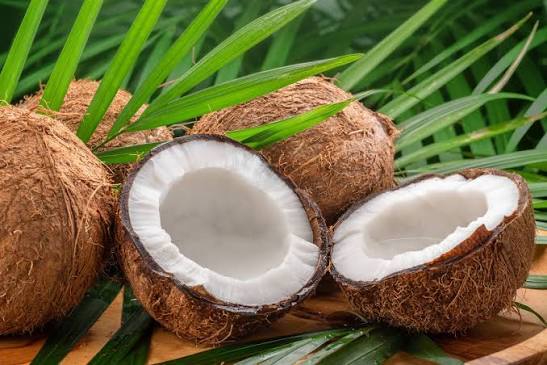
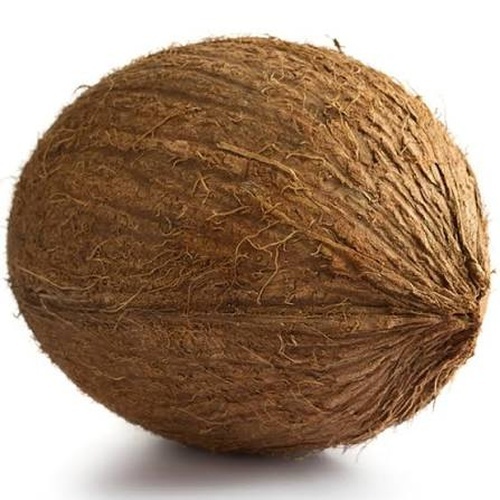
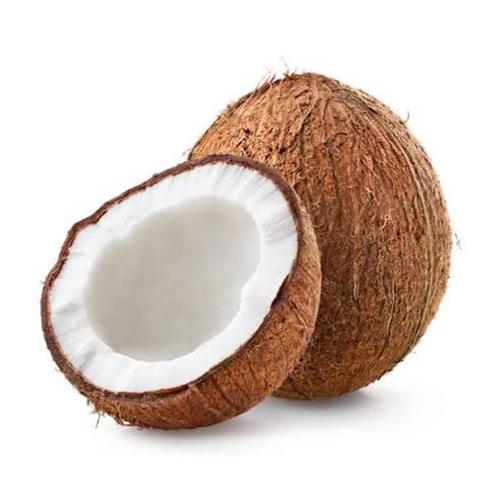
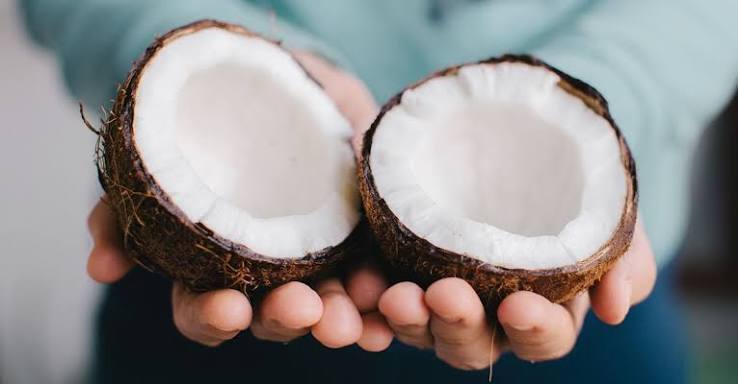
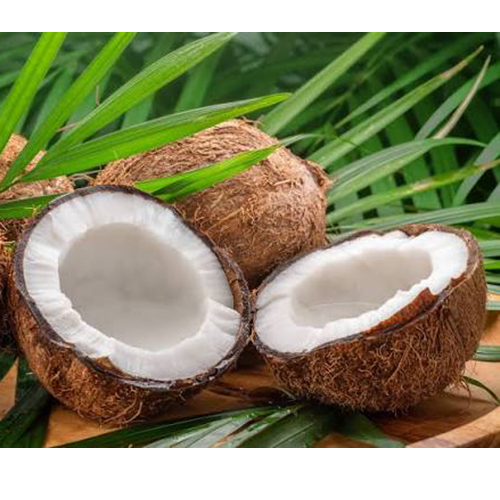
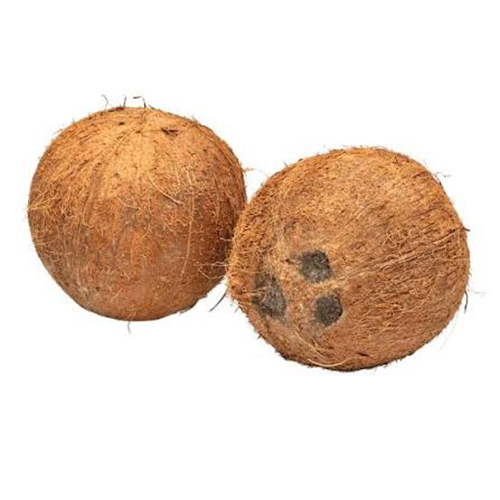
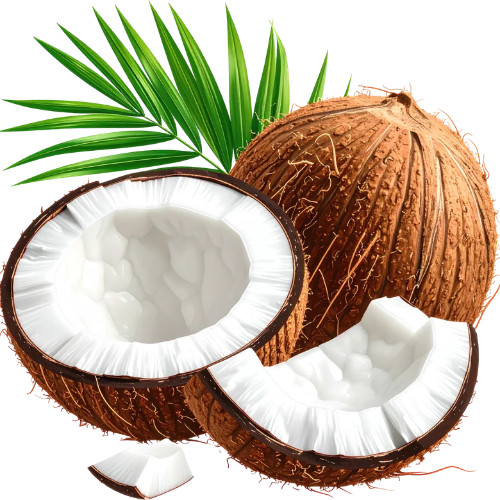
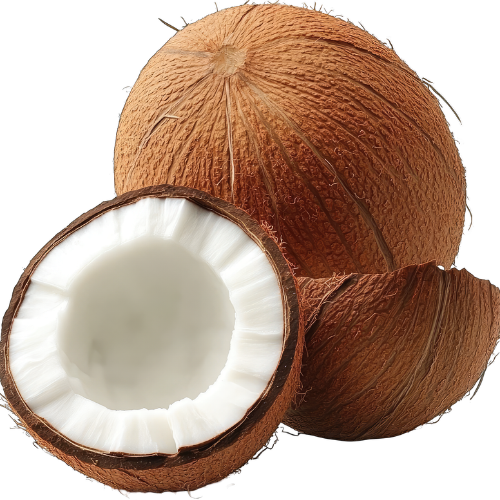
The coconut (Cocos nucifera) is a member of the palm family (Arecaceae) and the only living species of the genus Cocos.[1] The term "coconut" (or the archaic "cocoanut")[2] can denote the whole coconut palm tree or the large hard fruit. Originally native to the Southeast Asia, New Guinea, and the Southwestern Pacific, they are ubiquitous in coastal tropical regions.
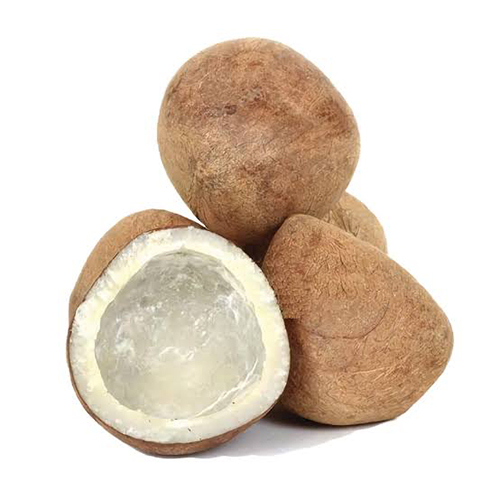
The coconut tree provides food, fuel, cosmetics, folk medicine, and building materials. The inner flesh of the mature fruit forms a regular part of the diets of many people in the tropics and subtropics. Coconut endosperm contains a large quantity of a liquid, "coconut water". Mature coconuts can be processed for oil and coconut milk from the flesh, charcoal from the hard shell, and coir from the fibrous husk. Dried coconut flesh is called copra, and the oil and milk derived from it are commonly used in cooking and in soaps and cosmetics. Sweet coconut sap can be made into drinks or fermented into palm wine or coconut vinegar. The hard shells, fibrous husks and long pinnate leaves are used to make products for furnishing and decoration.
The coconut has cultural and religious significance for many Austronesian peoples, appearing in their mythologies, songs, and oral traditions. It also has religious significance in South Asian cultures, where it is used in Hindu rituals, including weddings and worship.
Cocos-like fossils have been recovered from New Zealand and India. Genetic studies identify the coconut's center of origin as the Central Indo-Pacific, where it has its greatest genetic diversity. It was domesticated by Austronesian peoples in Island Southeast Asia and spread during the Neolithic via their seaborne migrations as far east as the Pacific Islands, and as far west as Madagascar. The species played a critical role in their long sea voyages by providing a portable source of food and water, as well as building materials for outrigger boats. Coconuts were spread much later along the coasts of the Indian and Atlantic Oceans by South Asian, Arab, and, from the 16th century, European sailors. Based on these introductions, the species can be divided into Pacific and Indo-Atlantic types. The Indo-Atlantic type was introduced to the Americas during the colonial era in the Columbian exchange.
Trees can grow up to 30 meters (100 feet) tall and can yield up to 75 fruits per year, though fewer than 30 is more typical. They are intolerant to cold and prefer copious precipitation and full sunlight. Many insect pests and diseases affect commercial production. In 2024, world production of coconuts was 65.5 million tonnes, with 73% of the total produced by Indonesia, India, and the Philippines.

Price:

 Send Inquiry

 Send Inquiry