
SPV AND COMPANY
The Purity of Nature. The Health of Your Family.

Call us
07313727068
Call us
07313727068
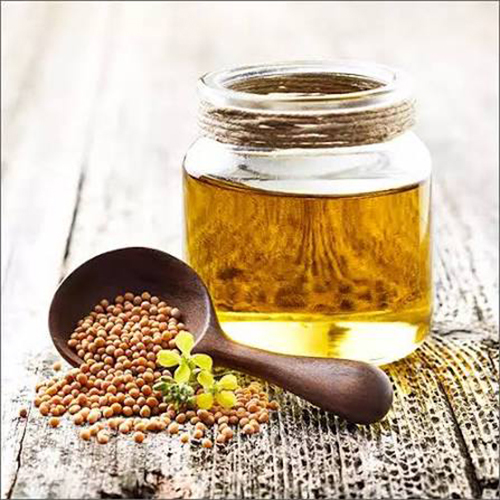
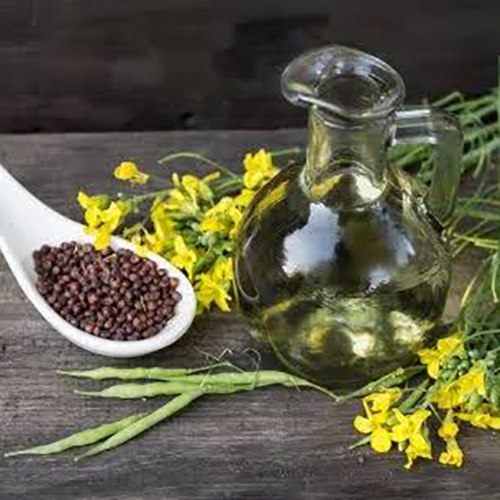
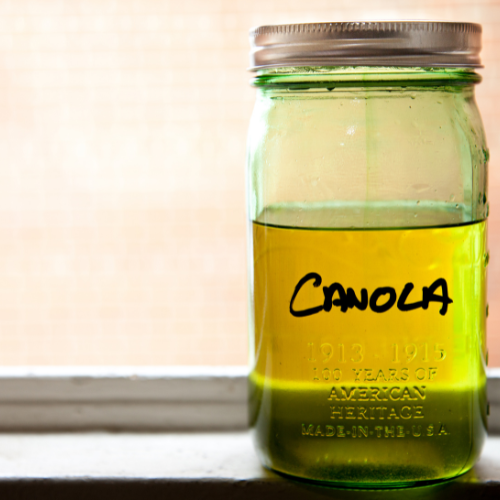
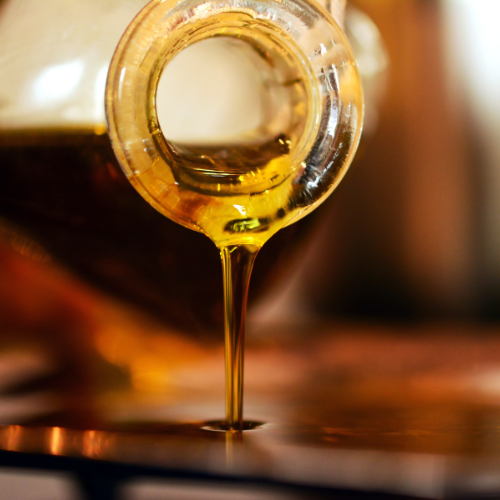
Rapeseed oil is one of the oldest known vegetable oils. There are both edible and industrial forms produced from rapeseed, the seed of several cultivars of the plant family Brassicaceae (mustards). The term "rapeseed" applies to oilseeds from the species Brassica napus and Brassica rapa, while the term canola refers to specific rapeseed varieties bred to produce oil for use in human and animal foods.[1] Canola refers to a cultivar developed by Canadian researchers in the mid 1970s.[2] In manufacturing, the edible varieties of canola are required to contain less than 2% erucic acid in Canada, the United States, European Union, and many other countries.[1][3][4]
Canola is produced as low erucic acid rapeseed (LEAR) oil and is generally recognized as safe (GRAS) by the United States Food and Drug Administration (FDA).[3][5]
In commerce, non-food varieties are typically called colza oil.[6] In 2022, Canada, Germany, China, and India were the leading producers of rapeseed oil, accounting together for 41% of the world total.
Canola oil is 100% fat, composed of 63% monounsaturated fat, 28% polyunsaturated fat, and 7% saturated fat (table). The ratio of linoleic acid (an omega-6 fatty acid) to alpha-linolenic acid (an omega-3 fatty acid) is 2:1 (table). A 100 g (3.5 oz) reference amount of canola oil provides 880 calories of food energy and is a rich source of vitamin E (117% of the Daily Value, DV) and vitamin K (59% DV) (table).
Reviews indicate that consumption of canola oil can reduce blood levels of cholesterol and low-density lipoprotein (LDL) two risk factors for cardiovascular diseases and may help reduce body weight.[31][32][33][34]
In 2006, canola oil was given a qualified health claim by the United States Food and Drug Administration for lowering the risk of coronary heart disease, resulting from its significant content of unsaturated fats; the allowed claim for food labels states:[35]
"Limited and not conclusive scientific evidence suggests that eating about 1 12 tablespoons (19 grams) of canola oil daily may reduce the risk of coronary heart disease due to the unsaturated fat content in canola oil. To achieve this possible benefit, canola oil is to replace a similar amount of saturated fat and not increase the total number of calories you eat in a day. One serving of this product contains [x] grams of canola oil."
Uses
B. napus is the source for canola as a high quality vegetable oil for human food products, and as a high-protein pomace to feed fish and farm animals.[1] Canola oil is favored for its culinary qualities, and is used widely as a salad oil, for shortening, margarine, in deep frying, baking, sandwich spreads, and non-dairy creamers.[1]
Apart from its use for human consumption, rapeseed oil is extensively used as a lubricant for machinery, in cosmetics, printing inks, fabrics, plastic products, and pesticides.[1] It was widely used in European domestic lighting before the advent of coal (city) gas or kerosene. It was the preferred oil for train pot lamps, and was used for lighting railway coaches in the United Kingdom before gas lighting, and later electric lighting, were adopted. Burned in a Carcel lamp, it was part of the definition of the French standard measure for illumination, the carcel, for most of the nineteenth century. In lighthouses, such as in early Canada, rapeseed oil was used before the introduction of mineral oil. Rapeseed oil was used with the Argand burner because it was cheaper than whale oil.[84] Rapeseed oil was burned to a limited extent in the Confederacy during the American Civil War.


Price:

 Send Inquiry

 Send Inquiry


