
SPV AND COMPANY
The Purity of Nature. The Health of Your Family.

Call us
07313727068
Call us
07313727068
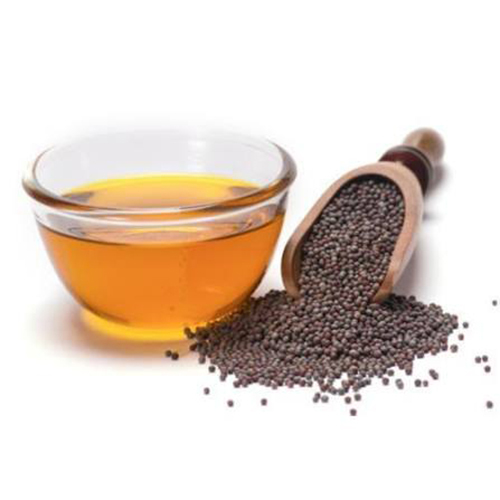
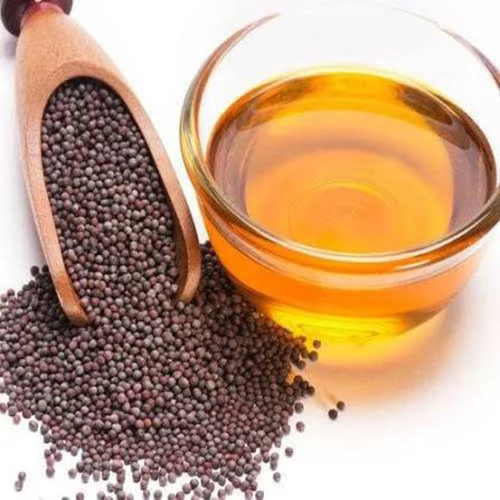
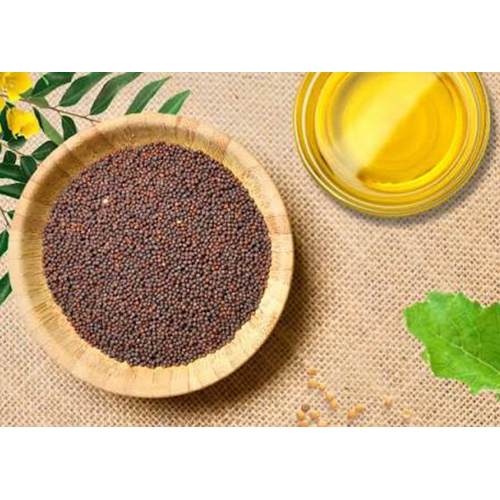
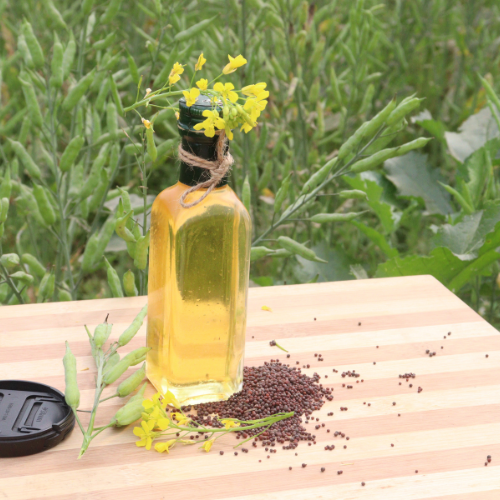
Mustard oil refers to either the pressed oil of the mustard plant used for cooking or its pungent essential (or volatile) oil.
Pressed mustard oil is used as cooking oil in many South Asian cuisines; however, sale is restricted in some North American and European countries due to high levels of erucic acid, though some varieties have lower erucic acid content.
The essential oil is produced by grinding mustard seed, mixing the grounds with water, and isolating the resulting volatile oil by distillation. It can also be produced by dry distillation of the seed.
Pressed oil
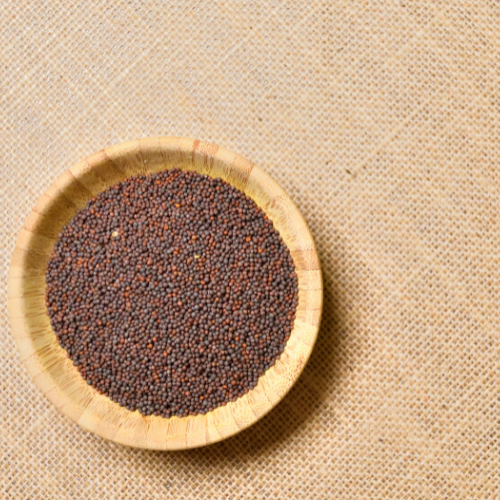
Oil makes up about 30% of mustard seeds. It can be produced from black mustard (Brassica nigra), brown mustard (B. juncea), and white mustard (B. alba).
Having a distinctive pungent taste, the use of the oil is a feature of predominantly Assamese, Odia, Bengali, Nepalese[3] and North Indian cooking,[4][5] as well as Bangladeshi cuisine.[6] It is sometimes used as a substitute for ghee.[7]
Its pungent flavor is due to allyl isothiocyanate, a phytochemical of plants in the mustard family, Brassicaceae (for example, cabbage, horseradish or wasabi).
Mustard oil has about 60% monounsaturated fatty acids (42% erucic acid and 12% oleic acid); it has about 21% polyunsaturated fats (6% the omega-3 alpha-linolenic acid and 15% the omega-6 linoleic acid), and it has about 12% saturated fats.[8]
Mustard oil can have up to 50% erucic acid[9] a component of canola oil, which is deemed as a safe food ingredient for human consumption when the erucic acid level does not exceed 2% of the total fatty acids and the canola oil is pure.[10]
The U.S. Food and Drug Administration prohibits the import or sale of expressed mustard oil in the U.S. for use in cooking due to its high erucic acid content. By contrast, the FDA classifies essential mustard oil, which has a much lower erucic acid content, as generally recognized as safe, and allows its use in food.[11][12] Expressed mustard oil is permitted in the U.S. as a massage oil, with a required "for external use only" label.[6]
Mustard oil (per 100 g) contains 884 calories of food energy and is 100% fat. The fat composition is 11% saturated fat, 59% monounsaturated fat, and 21% polyunsaturated fat.

Price:

 Send Inquiry

 Send Inquiry


