
SPV AND COMPANY
The Purity of Nature. The Health of Your Family.

Call us
07313727068
Call us
07313727068
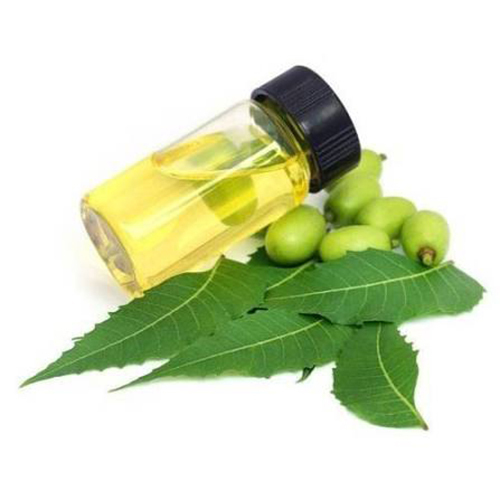
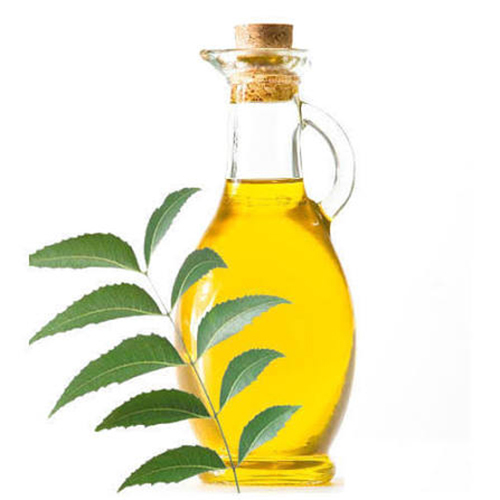
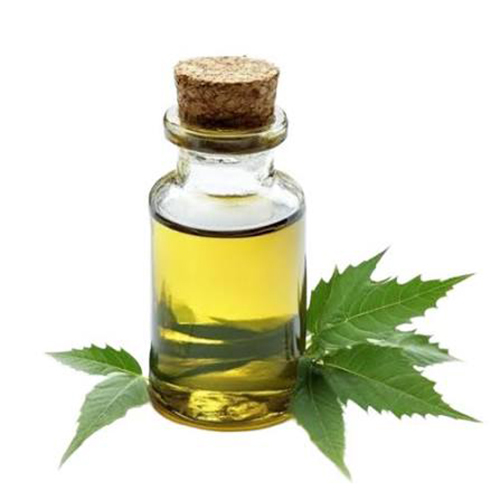
Formulations that include neem oil have found wide usage as a biopesticide for horticulturists[citation needed] and for organic farming, as it repels a wide variety of insect pests including mealy bugs, beet armyworms, aphids, cabbage worms, thrips, whiteflies, mites, fungus gnats, beetles, moth larvae, mushroom flies, leaf miners, caterpillars, locusts, nematodes and Japanese beetles.[4][5]
When sufficiently diluted and not concentrated directly into their area of habitat or on their food source, neem oil is not known to be harmful to mammals, birds, earthworms or some beneficial insects such as butterflies, honeybees and ladybugs. It can be used as a household pesticide for ants, bedbugs, cockroaches, houseflies, sand flies, snails, termites and mosquitoes both as a repellent and as a larvicide.[3]
Neem extracts act as an antifeedant and block the action of the insect molting hormone ecdysone. Azadirachtin is the most active of these growth regulators (limonoids), occurring at 0.20.4% in the seeds of the neem tree.
Neem oil appears quite toxic by ingestion and can cause metabolic acidosis, seizures, kidney failure, encephalopathy and severe brain swelling in infants and young children.[2][7][8] Neem oil is not recommended for use by pregnant women, women who are trying to conceive or are breastfeeding and those under the age of 18.[2] It can also be associated with allergic contact dermatitis.



Price:

 Send Inquiry

 Send Inquiry


