
SPV AND COMPANY
The Purity of Nature. The Health of Your Family.

Call us
07313727068
Call us
07313727068
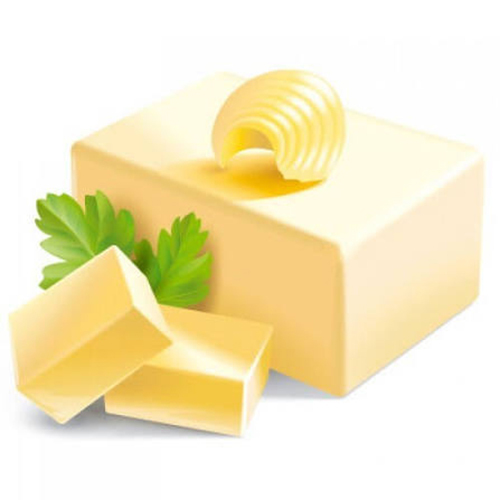
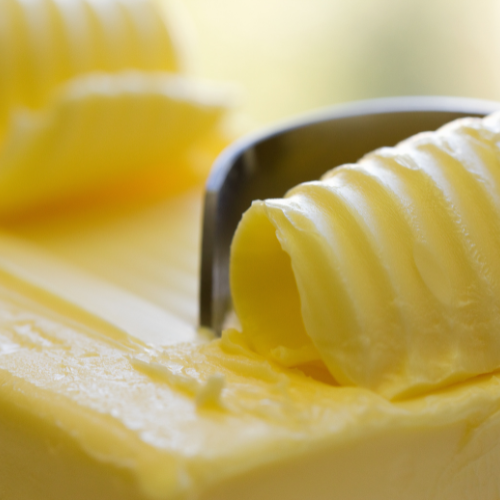
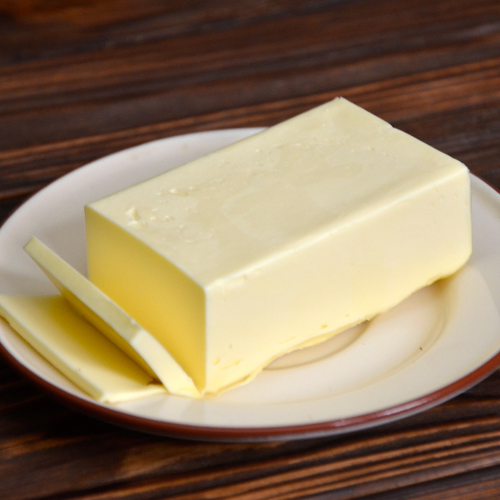
Butter is a dairy product made from the fat and protein components of churned cream. It is a semi-solid emulsion at room temperature, consisting of approximately 81% butterfat. It is used at room temperature as a spread, melted as a condiment, and used as a fat in baking, sauce-making, pan frying, and other cooking procedures.
Most frequently made from cow's milk, butter can also be manufactured from the milk of other mammals, including sheep, goats, buffalo, and yaks. It is made by churning milk or cream to separate the fat globules from the buttermilk. Salt has been added to butter since antiquity to help preserve it, particularly when being transported; salt may still play a preservation role but is less important today as the entire supply chain is usually refrigerated. In modern times, salt may be added for taste[1] and food coloring for color.[2] Rendering butter, removing the water and milk solids, produces clarified butter (including ghee), which is almost entirely butterfat.
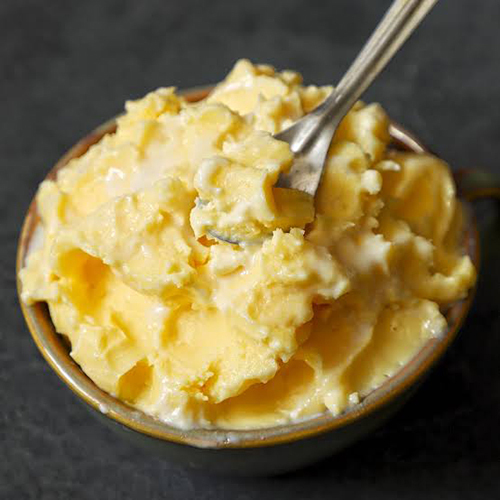
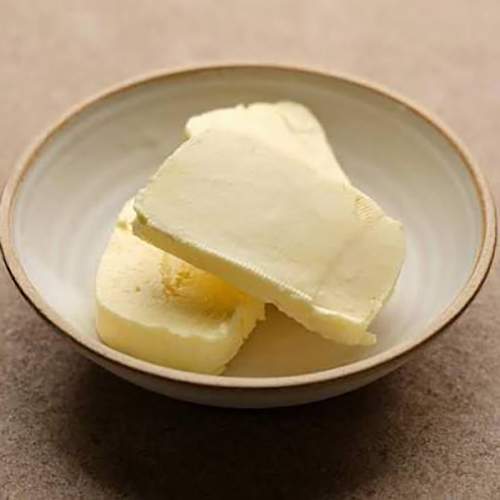
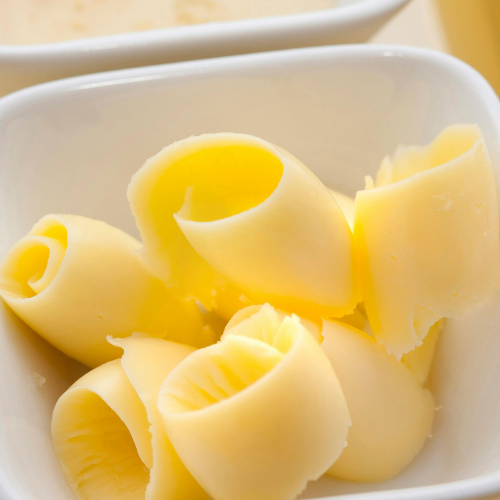
Butter is a gel.[3] Butter remains a firm solid when refrigerated but softens to a spreadable consistency at room temperature and melts to a thin liquid consistency at 32 to 35 C (90 to 95 F). The density of butter is 911 g/L (15+14 oz/US pt).[4] It generally has a pale yellow color but varies from deep yellow to nearly white. Its natural, unmodified color is dependent on the source animal's feed and genetics, but the commercial manufacturing process sometimes alters this with food colorings like annatto[5] or carotene.
In 2023, world production of butter made from cow milk was six million tonnes, led by the United States, with 16% of the total.
Cream may be separated (usually by a centrifuge or a sedimentation) from whey instead of milk, as a byproduct of cheese-making. Whey butter may be made from whey cream. Whey cream and butter have a lower fat content and taste more salty, tangy and "cheesy".[29] They are also cheaper to make than "sweet" cream and butter. The fat content of whey is low, so a thousand units mass of whey will typically yield only three units of butter.
Indian white butter (locally called Makkhan), is a cultured, fermented, unsalted butter. It is made by churning cream, and blending it with ice and cold water. This separates the solid fat (butter) from the aqueous components (buttermilk).[32] White butter is usually made with buffalo milk or milk from grain-fed cows. This is because the -carotene and other pigments typically present in pasture-fed cow milk will turn the butter yellow. Buffalos are very efficient at converting dietary -carotene to vitamin A before the pigment reaches the milk, unlike most cattle species.
Normal butter softens to a spreadable consistency around 15 C (60 F), well above refrigerator temperatures. The "butter compartment" found in many refrigerators may be one of the warmer sections inside, but it still leaves butter quite hard. Until recently, many refrigerators sold in New Zealand featured a "butter conditioner", a compartment kept warmer than the rest of the refrigeratorbut still cooler than room temperaturewith a small heater.[60] Keeping butter tightly wrapped delays rancidity, which is hastened by exposure to light or air, and also helps prevent it from picking up other odors. Wrapped butter has a shelf life of several months at refrigerator temperatures.[61] Butter can also be frozen to extend its storage life.[62] Before the advent of refrigeration, methods were sought to "cure" the butter so that it would last for an extended time before spoilage.

Price:

 Send Inquiry

 Send Inquiry


