
SPV AND COMPANY
The Purity of Nature. The Health of Your Family.

Call us
07313727068
Call us
07313727068
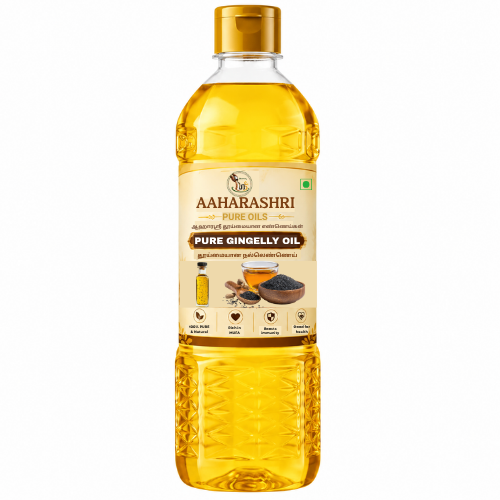
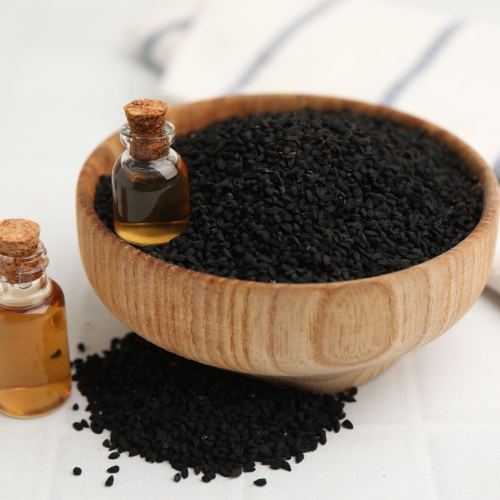
Sesame oil is an edible vegetable oil derived from sesame seeds. The oil is one of the earliest-known crop-based oils. Worldwide mass modern production is limited due to the inefficient manual harvesting process required to extract the oil. Oil made from raw seeds, which may or may not be cold-pressed, is used as a cooking oil. Oil made from toasted seeds is used for its distinctive nutty aroma and taste, although it may be unsuitable for frying, which makes it taste burnt and bitter.[1]
In 2023, world production of sesame oil was 1.2 million tonnes, led by India and Myanmar together with 34% of the total.
Sesame oil is 100% fat, with a 100 g (3.5 oz) (100 ml) reference amount supplying 884 calories of food energy (table). The only micronutrient having significant content in sesame oil is vitamin K, providing 11% of the Daily Value per 100 grams (table).
For fats, sesame oil is approximately equal in monounsaturated fat (oleic acid, 40% of total) and polyunsaturated fat (linoleic acid, 42% of total), together accounting for 80% of the total fat content (table). The remaining oil content is primarily palmitic acid, a saturated fat (about 9% of total, USDA table).
Sesame oil is used for stir-frying, marinades, and as a finishing oil to add nutty flavor to Asian dishes, with light sesame oil best for cooking and toasted sesame oil ideal for flavoring due to its intense taste.
Sesame oil made from seeds that have not been toasted is a pale yellow liquid with a pleasant grain-like odor and somewhat nutty taste, and is used as frying oil.[9] Oil made from pressed and toasted sesame seeds is amber-colored and aromatic, and is used as a flavoring agent in the final stages of cooking.[9]
Despite sesame oil's high proportion (41%) of polyunsaturated (omega-6) fatty acids, it is least prone, among cooking oils with high smoke points, to turn rancid when kept in the open.[2][9] This is due to the natural antioxidants, such as sesamol, present in the oil.[9]
Light sesame oil has a high smoke point and is suitable for deep-frying. Toasted sesame oil is not suitable,[9][1] but it can be used to stir fry meats and vegetables, for sauting, and to make omelettes.
Sesame oil is most popular in continental Asia, especially in East Asia and the South Indian states of Karnataka, Andhra Pradesh, and Tamil Nadu, where its widespread use is similar to that of olive oil in the Mediterranean.
In Mandaeism, anointing sesame oil, called misha () in Mandaic, is used during rituals such as the masbuta (baptism) and masiqta (death mass), both of which are performed by Mandaean priests.[11]
In industry, sesame oil may be used as:[2][9]
Low-grade oil is used locally in soaps, paints, lubricants, and illuminants.



Price:

 Send Inquiry

 Send Inquiry


