
SPV AND COMPANY
The Purity of Nature. The Health of Your Family.

Call us
07313727068
Call us
07313727068
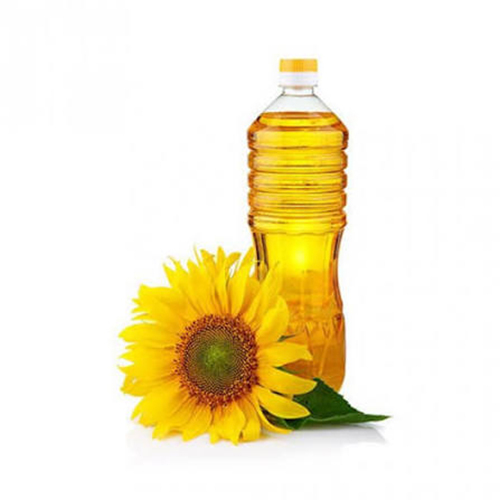
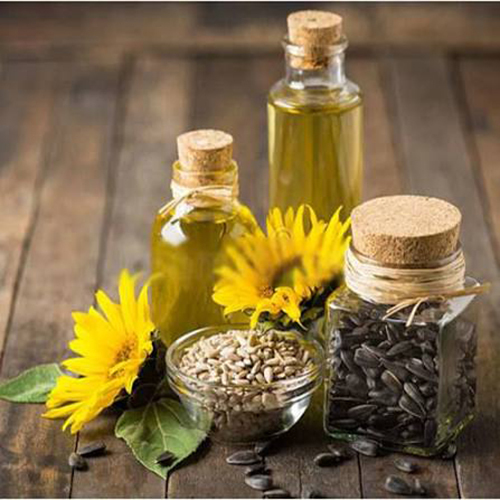
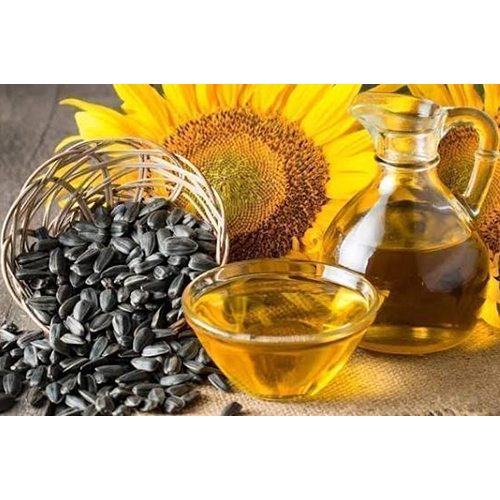
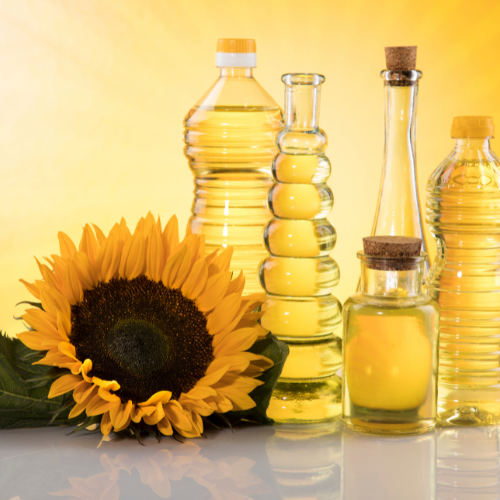
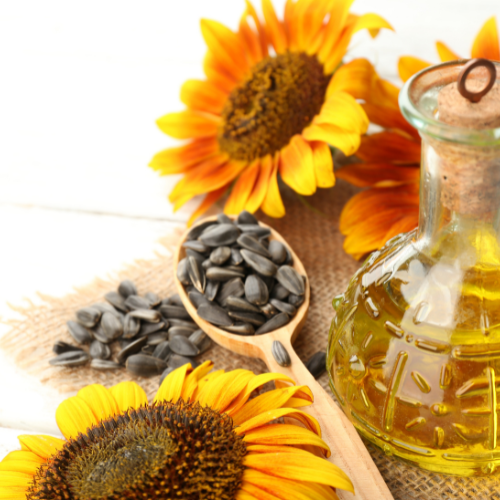
Sunflower oil is the non-volatile oil pressed from the seeds of the sunflower (Helianthus annuus). Sunflower oil is commonly used in food as a frying oil, and in cosmetic formulations as an emollient.
Sunflower oil is primarily composed of linoleic acid, a polyunsaturated fat, and oleic acid, a monounsaturated fat. Through selective breeding and manufacturing processes, oils of differing proportions of the fatty acids are produced.[1] The expressed oil has a neutral taste profile.[2] The oil contains a large amount of vitamin E.
Sunflower oil is 100% fat. In a reference amount of 100 grams (ml), it supplies 884 calories, and is a rich source of vitamin E (274% of the Daily Value, DV, table).
Several varieties of sunflower oil seeds have been developed by standard plant breeding methods, mainly to vary the amounts of oleic acid and linoleic acid which, respectively, are the predominantly monounsaturated and polyunsaturated fats in sunflower oil.[1][18]
Refined sunflower oil is used for low-to-extremely-high-temperature cooking. As a frying oil, it behaves as a typical vegetable oil, and is used in sunflower butter.[citation needed]
Methods for cooking snack foods, such as potato chips or French fries, may use sunflower oil
Because sunflower oil is primarily composed of less-stable polyunsaturated and monounsaturated fatty acids, it can be particularly susceptible to degradation by heat, air, and light, which trigger and accelerate oxidation. Keeping sunflower oil at low temperatures during manufacturing and storage can help minimize rancidity and nutrient lossas can storage in bottles that are made of either darkly-colored glass, or plastic that has been treated with an ultraviolet light protectant.

Price:

 Send Inquiry

 Send Inquiry


