
SPV AND COMPANY
The Purity of Nature. The Health of Your Family.

Call us
07313727068
Call us
07313727068
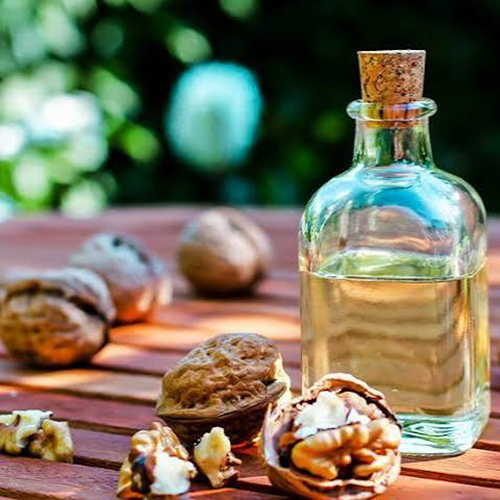
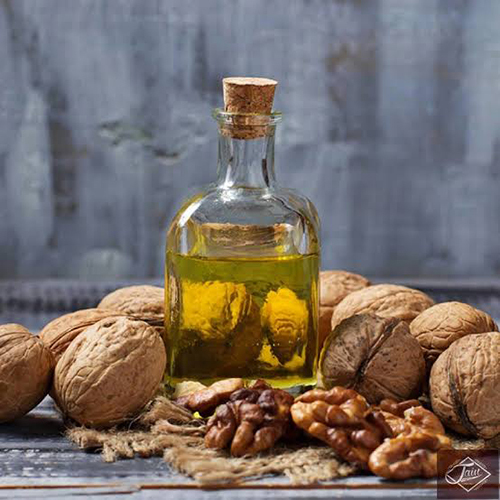
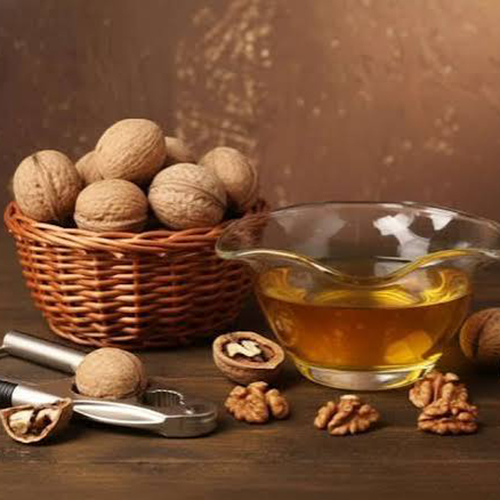
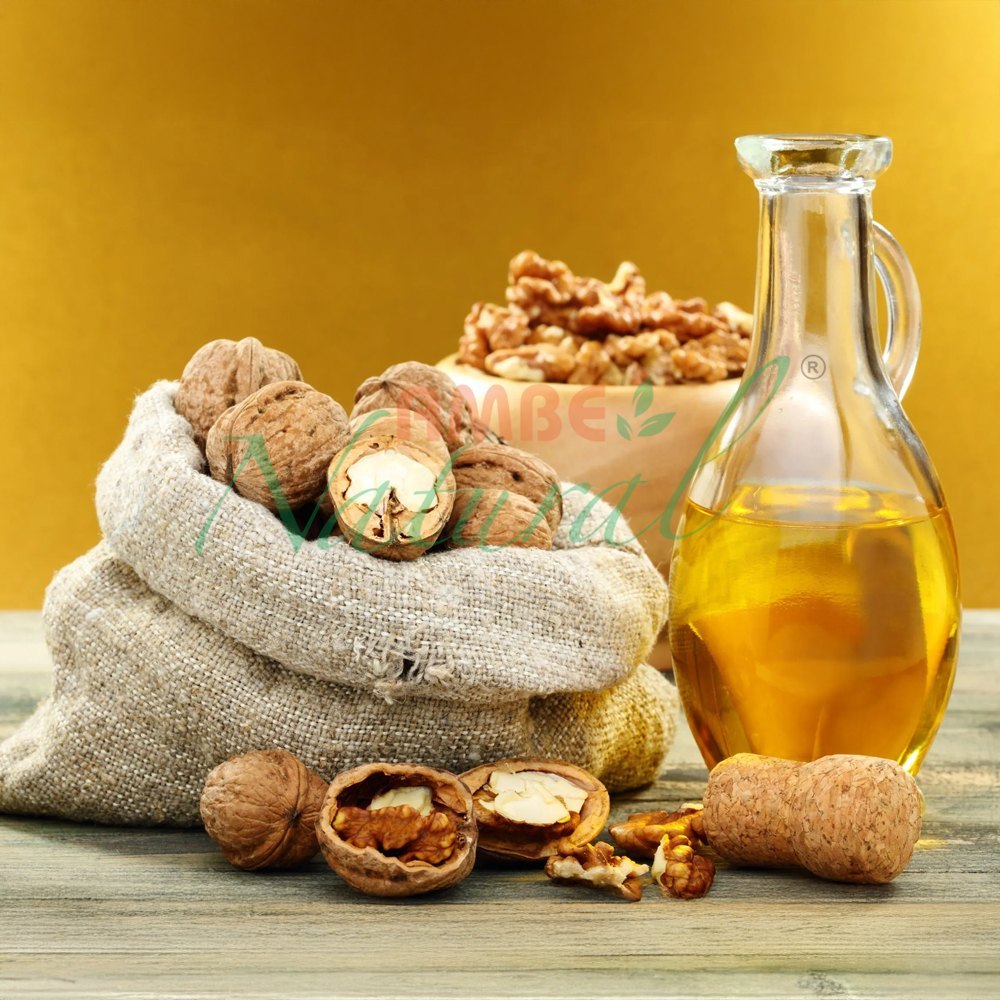
A walnut is the edible seed of any tree of the genus Juglans (family Juglandaceae), most often the Persian or English walnut, Juglans regia. They are accessory fruit because the outer covering of the fruit is technically an involucre and thus not morphologically part of the carpel; this means it cannot be a drupe but is instead a drupe-like nut.
After full ripening, the shell is discarded, and the kernel is eaten. Nuts of the eastern black walnut (Juglans nigra) and butternuts (Juglans cinerea) are less commonly consumed.
Walnuts are the round, single-seed stone fruits of the walnut tree. They ripen between September and November in the northern hemisphere. The brown, wrinkly walnut shell is enclosed in a husk.[1] Shells of walnuts commercially available usually have two segments (but three- or four-segment shells can also form). During the ripening process, the husk becomes brittle and the shell hard. The shell encloses the kernel or meat, which is usually in two halves separated by a membranous partition.[1] The seed kernels commonly available as shelled walnuts are enclosed in a brown seed coat which contains antioxidants. The antioxidants protect the oil-rich seed from atmospheric oxygen, preventing rancidity.[2]
Walnut trees are late to grow leaves, typically not doing so until more than halfway through the spring.
Walnut hulls contain diverse phytochemicals, such as polyphenols, that stain hands and can cause skin irritation. Seven phenolic compounds, including ferulic acid, vanillic acid, coumaric acid, syringic acid, myricetin, and juglone, were identified in walnut husks; juglone had concentrations of 24% fresh weight.[3]
Walnuts also contain the ellagitannin, pedunculagin.[4] Regiolone has been isolated with juglone, betulinic acid and sitosterol from the stem bark of J. regia.[5]
Species
The three species of walnuts most commonly grown for their seeds are the Persian (or English) walnut (J. regia), originating from Iran, the black walnut (J. nigra) native to eastern North America and the Japanese walnut, also known as the heartnut (J. ailantifolia).[6] Other species include J. californica, the California black walnut (often used as a rootstock for commercial propagation of J. regia), J. cinerea (butternuts), and J. major, the Arizona walnut. Other sources list J. californica californica as native to southern California, and Juglans californica hindsii, or just J. hindsii, as native to northern California; in at least one case, these are given as "geographic variants" instead of subspecies (Botanica).[citation needed]
Numerous walnut cultivars have been developed commercially, which are nearly all hybrids of the Persian walnut.[7]
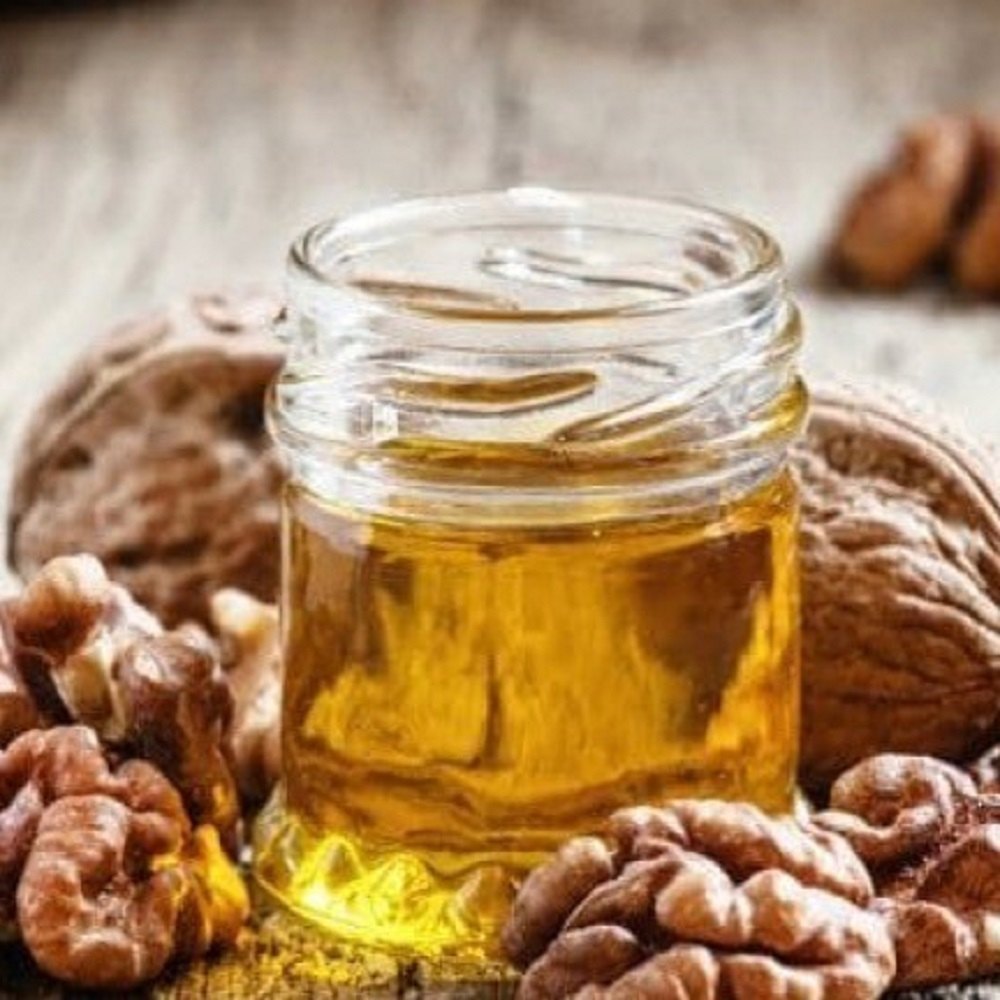

Price:

 Send Inquiry

 Send Inquiry


